

The most audience-first franchise in the world wears tight lycra
WWE knows what it's doing

Earlier this month, I listened to 250 kids loudly and confidently boo my husband.
Troy Superstar Daniels walked out, and the kids booed him on cue. Earlier that day, at the invitation of Ben Fagan, Troy Rawhiti-Connell (without the Superstar Daniels persona) spent time with National Youth Drama School NZ students before they attended the Aotearoa Wrestling match Troy had brought down to the school. He taught them the chants, showed them how their participation fit into the event, and gave them time to shift from tentative to disinhibited.
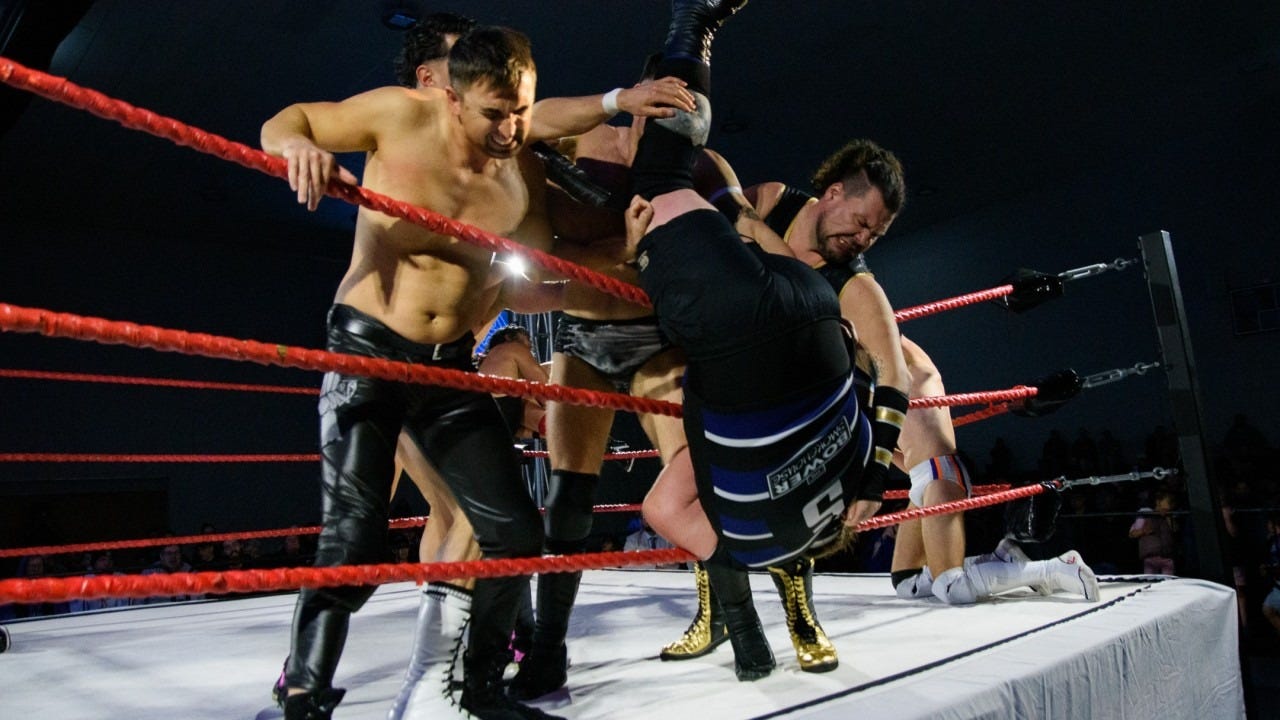
Over the last few years, I have grown to love pro wrestling. It’s got a lot to do with the experience of being in the audience. New Zealand audiences can be quite reticent about expressing themselves or getting involved at live events. They will shrink into their seats and hope the earth opens up to swallow them if audience participation is even hinted at.
Wrestling crowds are different. I’m never more uninhibited than when I’m sitting in a plastic chair, ringside, watching people with important day jobs throw each other against the ropes, dressed head to toe in tight lycra. The things I have yelled.
Pro wrestling has always struck me as one of the most audience-first sports and entertainment franchises in the world, and what I watched that day at NYDS was a local version of the same audience-driven phenomenon that has powered WWE’s parent company, TKO, to a market cap of $36b (USD).
I hope I’m not killing your inner child here, but pro wrestling is scripted storytelling. It has heroes and villains and soap-opera arcs that run for years. These tried-and-true narrative devices power part of its appeal, but it’s the audience’s integral role and the nods to their power and voice that have supercharged it. In 2024, #WeWantCody trended on X for three days after WWE announced that the main event at WrestleMania would not be Cody Rhodes vs Roman Reigns, but The Rock vs Reigns. In response to the backlash, WWE restructured the bill, putting Rhodes back. Audiences have come to expect to be part of how storylines and events unfold because they have solid evidence that they matter.
There’s also a shared vocabulary that has been built up and reinforced over decades. People know what to do because it’s modelled, taught and repeated over and over again. Barriers to discovering that information are low. There’s cohesion amongst the crowd, and it’s proactively encouraged by the wrestlers. As a first-time attendee at a local match, it would take you five seconds to work out who was the heel and who was the good guy, and to cheer and chat accordingly. At WWE, The Usos enter, and everyone yeets.
The inverse of that, and something I took a while to recover from, was the first time I went to hear an orchestra and clapped between movements. My face got hot, and the sound of one person clapping was the soundtrack to shame. No one had told me that a silence at what sounds like the end of something can be a break, rather than an invitation to applaud enthusiastically.
In every role I’ve had, I’ve tried to dismantle the assumption that audiences already know what to do. Audience work is, in large part, the business of smashing internal assumptions about what people know or care about. It’s often an unpopular internal role because, from time to time, the job is to remind people that no one cares about the product name or brand as much as the internal team does, and no one knows what xyz means.
The unpopular moves continue if someone is doing audience-first right. Audience-first writing often buries the brand and spotlights the reader. Audience-first social media usually starts by suggesting the logo doesn’t need to be that big, or there at all, and asks whether what’s being posted is useful or worth sharing as a form of social currency. Audience-first fundraising begins with understanding the needs and values of the people being asked for money. An audience-first attitude is saying “it’s not about us, it’s about them,” and bringing the “them” to the table, unpopular opinions and all.
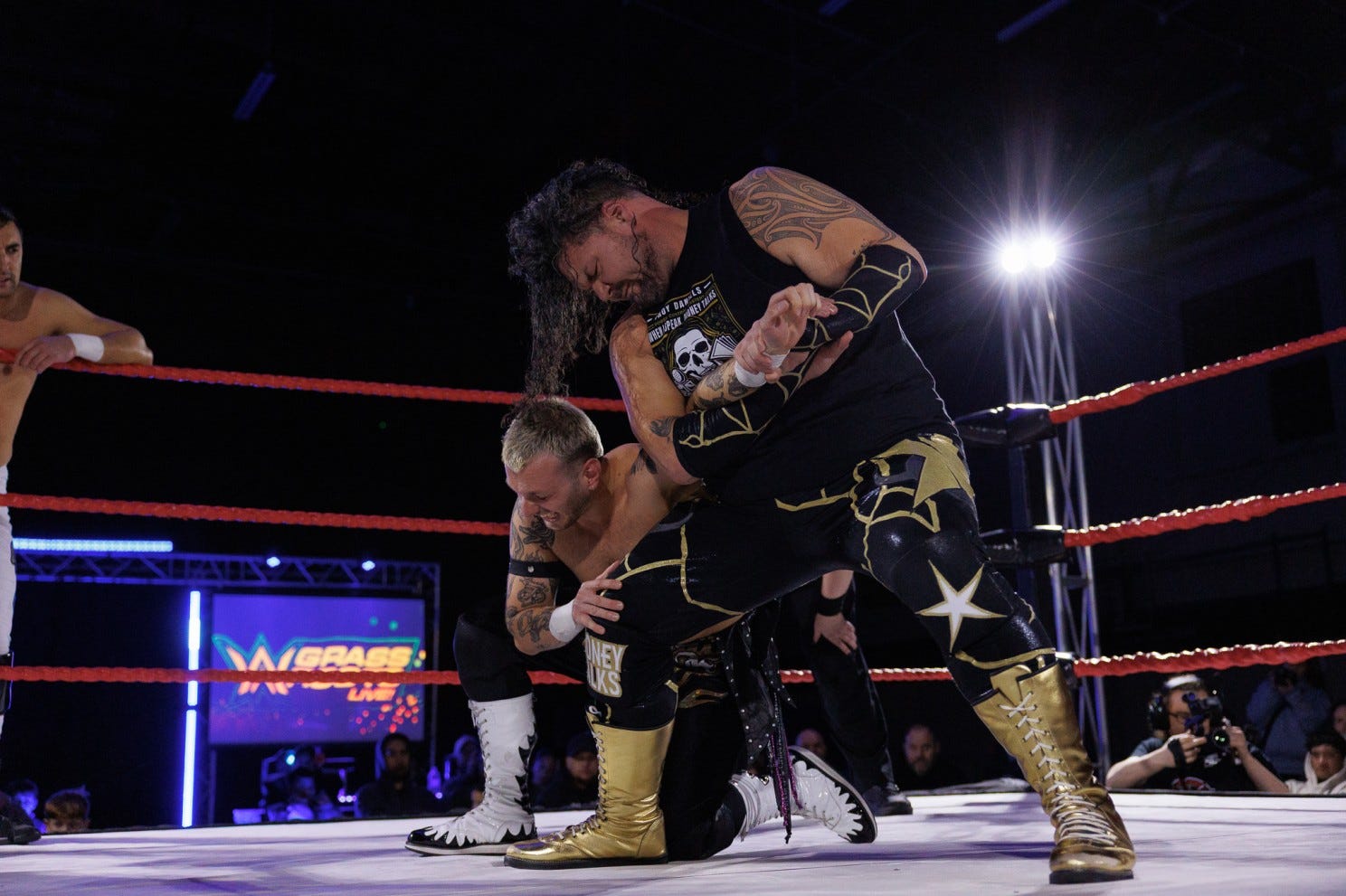
What Troy did at NYDS was the whole of it in miniature. He invited the kids in, explained how the thing worked, and told them they mattered to the experience, which is a part many organisations skip when they think about audiences. The kids understood the assignment the moment they walked in, because someone had built them a toolkit and told them to use it.
It may be obvious to some people what the rituals, naming conventions, behaviours, personalities, and evolving norms of the many experiences we take part in are about. To the uninitiated, perhaps not so much. The role of someone working in the audience field is to find the bridge between the two groups and help the latter ones cross.